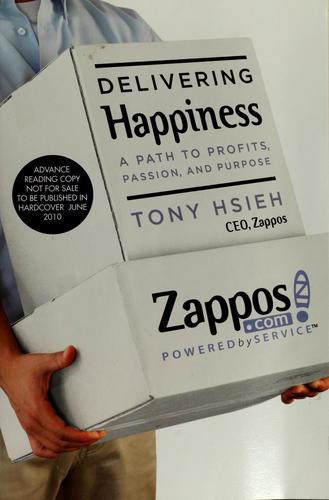
Hsieh, the late CEO of Zappos, tells the company's story from early founder hustle through to a culture built so deliberately around customer service and employee happiness that Amazon eventually acquired it largely to learn from that culture. The book argues that profits, passion and purpose can reinforce each other rather than trade off, if a business is genuinely willing to make customer happiness a core value rather than a slogan.
Key lessons
- Customer service can be a genuine strategic differentiator, not just a cost to minimise — Zappos built its brand almost entirely on it.
- Company culture has to be defined and defended deliberately from the very beginning; it doesn't happen by accident as a business grows.
- Employees given genuine autonomy to solve customer problems, without rigid scripts, create the kind of memorable service that turns into word of mouth.
- Hire and fire for culture fit as seriously as for skill — a skilled hire who damages the culture costs more than they contribute.
- Profits, passion and purpose can be mutually reinforcing rather than competing priorities, if the business is built around them deliberately.
Treating customer happiness as a genuine core value, backed by real autonomy and investment, can become a business's most durable competitive advantage.
What’s aged well
The core argument for culture and service as strategy remains widely cited and influential across small business and startup circles.
What feels outdated
Some of the specific Zappos anecdotes and the broader context around the company's later years add complexity that the book, written at an earlier high point, doesn't cover.
The Business Stuff verdict
A genuinely engaging read that makes the business case for culture and service better than most drier culture books manage.
Three things to actually do after reading it
- Write down your business's actual core values — not aspirational ones, the ones you'd genuinely fire someone over violating.
- Give your customer-facing team one new piece of genuine autonomy to solve a common problem without needing sign-off.
- Review your last hiring decision against culture fit as seriously as you reviewed it against skill.
If you liked this, read next
Five similar books
- Start with Why (Simon Sinek)
- The Culture Code (Daniel Coyle)
- Setting the Table (Danny Meyer)
- Shoe Dog (Phil Knight)
- Raving Fans (Ken Blanchard)