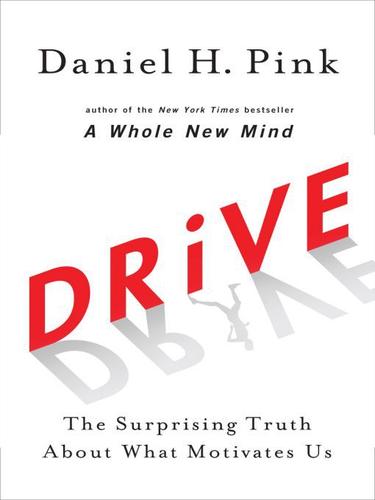
Pink synthesises decades of motivation research to argue that for complex, creative work, traditional carrot-and-stick incentives frequently backfire, and genuine motivation instead comes from three factors: autonomy, mastery, and purpose. For simple, mechanical tasks, financial incentives still work reasonably well — it's complex work where they fall short.
Key lessons
- For complex, creative work, financial incentives beyond a fair baseline often fail to improve, and can even reduce, performance.
- Autonomy — genuine control over how work gets done — is a stronger driver of engagement than external reward for skilled work.
- Mastery — the drive to keep improving at something that matters — motivates sustained effort more reliably than bonuses.
- Purpose — a genuine sense that the work matters beyond the paycheck — is the third leg of intrinsic motivation.
Beyond a fair baseline salary, more money doesn't reliably produce better performance on complex work — autonomy, mastery and purpose do, and most workplaces are still designed around the wrong incentive.
What’s aged well
The research remains widely cited and influential in modern management and HR thinking.
What feels outdated
Nothing significant; the core research holds up well.
The Business Stuff verdict
A genuinely important corrective to reflexive bonus-and-incentive thinking, especially for knowledge and creative work.
Three things to actually do after reading it
- Review whether your current incentive structure is actually suited to complex work, or copied from a simpler-task model.
- Give one team member genuine autonomy over how, not just what, they deliver on their next project.
- Articulate the purpose behind a task you've only ever explained in terms of what needs doing.
If you liked this, read next
Five similar books
- To Sell Is Human (Daniel Pink)
- Multipliers (Liz Wiseman)
- Radical Candor (Kim Scott)
- The Culture Code (Daniel Coyle)
- Flow (Mihaly Csikszentmihalyi)