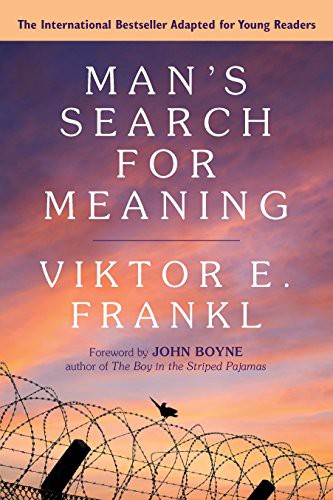
Psychiatrist Frankl's account of surviving Nazi concentration camps, and the logotherapy approach he developed from that experience, argues that meaning — not pleasure or power — is the primary human drive, and that even in the most extreme suffering, people retain the freedom to choose their attitude toward it.
Key lessons
- Meaning, more than pleasure or power, is the primary human motivator, even — especially — under genuine adversity.
- Even when everything else is taken away, the freedom to choose your attitude toward circumstances remains.
- Suffering, when it can't be avoided, can still be given meaning through how it's faced.
- A clear sense of purpose is one of the most powerful predictors of resilience under extreme pressure.
Even in circumstances offering no other freedom at all, the freedom to choose your own attitude and find meaning remains — a perspective that reframes almost any ordinary business hardship.
What’s aged well
A profound, historically significant text whose relevance hasn't diminished with time.
What feels outdated
Nothing significant; if anything its lessons feel more, not less, urgent with time.
The Business Stuff verdict
Not a business book, but essential reading regardless — genuinely changes perspective on what 'hard' actually means.
Three things to actually do after reading it
- Write down what gives your current work genuine meaning, beyond the money it generates.
- Reframe your current biggest business stress against the scale of what this book describes, honestly.
- Identify one choice of attitude, not circumstance, you have genuine control over this week.
If you liked this, read next
Five similar books
- The Obstacle Is the Way (Ryan Holiday)
- Four Thousand Weeks (Oliver Burkeman)
- The Daily Stoic (Ryan Holiday & Stephen Hanselman)
- Grit (Angela Duckworth)
- The Happiness Advantage (Shawn Achor)