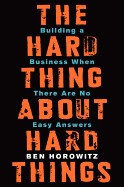
Horowitz, drawing on his own experience running a software company through the dot-com crash and multiple near-death moments, rejects the genre of business books that only cover the easy, formulaic decisions. Instead he tackles the genuinely hard things: how to lay people off with dignity, how to fire an executive friend, how to manage your own psychology when the business is failing publicly. It's blunt, occasionally profane, and unusually honest for the genre.
Key lessons
- There's no formula for the truly hard decisions — layoffs, firing a friend, near-bankruptcy — only principles for handling them with integrity.
- Bad news doesn't improve with age; tell your team the truth about difficult situations promptly and directly.
- 'Take care of the people, the products, and the profits, in that order' — a simple but genuinely tested prioritisation under pressure.
- A CEO's job includes managing their own psychology, because a leader's visible panic spreads through an organisation faster than almost anything else.
- Peacetime and wartime leadership require genuinely different styles — what works when things are stable can actively hurt you during a genuine crisis.
Most leadership advice assumes things are going reasonably well; the moments that actually define a leader are the ones without a formula, and this book is one of the few honest accounts of navigating them.
What’s aged well
The candour about layoffs, firing friends and crisis leadership remains rare and valuable in the genre, and doesn't feel dated.
What feels outdated
A handful of the specific dot-com-era anecdotes need context for younger readers, but the underlying leadership principles are undated.
The Business Stuff verdict
The most honest book on this list about the genuinely difficult parts of running a business — read it before you need it, not during the crisis.
Three things to actually do after reading it
- Write down the one 'hard thing' you're currently avoiding, and set a date this week to address it directly.
- If a difficult conversation with your team is overdue, deliver it plainly and promptly rather than softening it into ambiguity.
- Check whether your current leadership style matches 'peacetime' or 'wartime' — and whether it matches what the business actually needs right now.
If you liked this, read next
Five similar books
- Shoe Dog (Phil Knight)
- High Output Management (Andy Grove)
- Radical Candor (Kim Scott)
- Only the Paranoid Survive (Andy Grove)
- Principles (Ray Dalio)