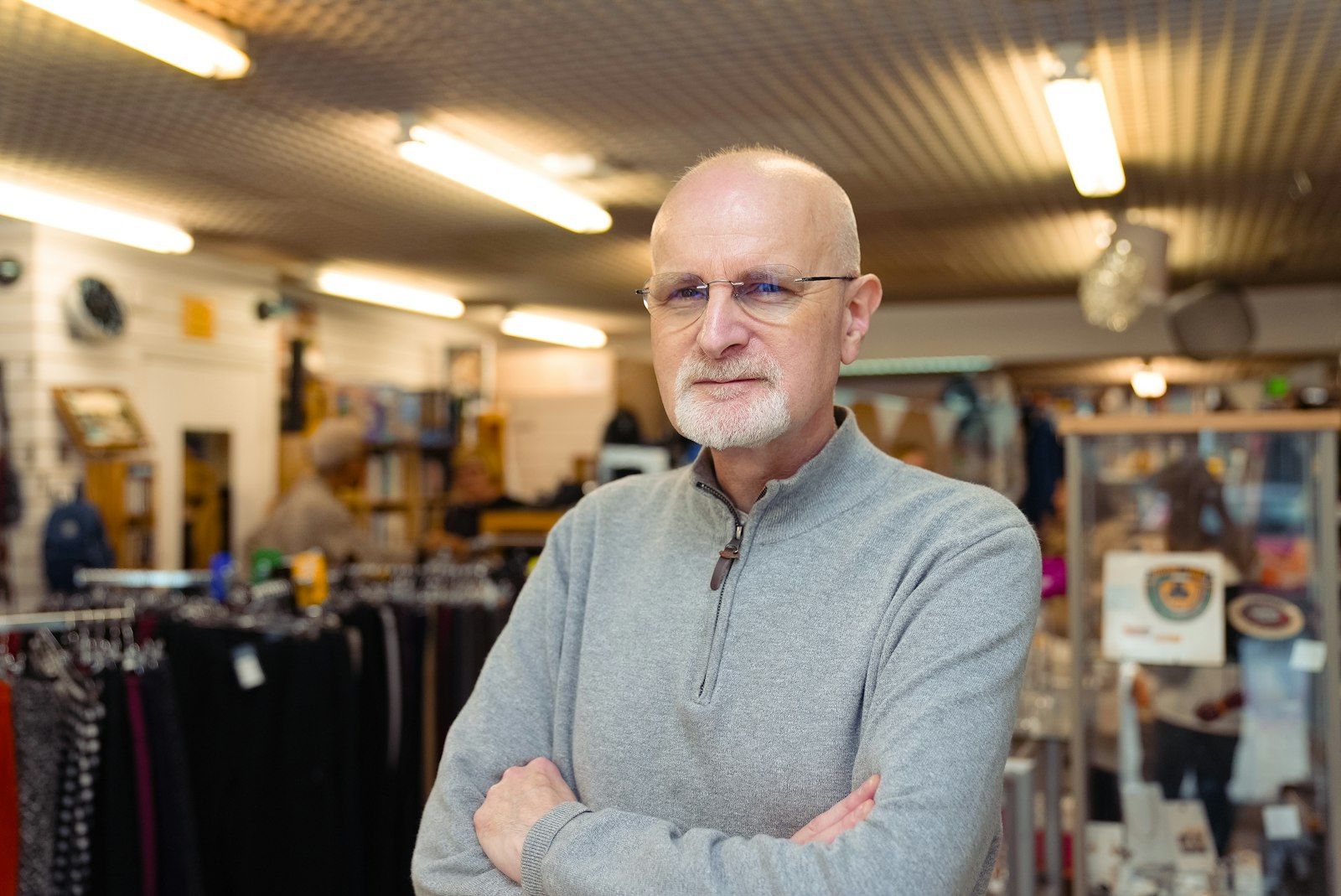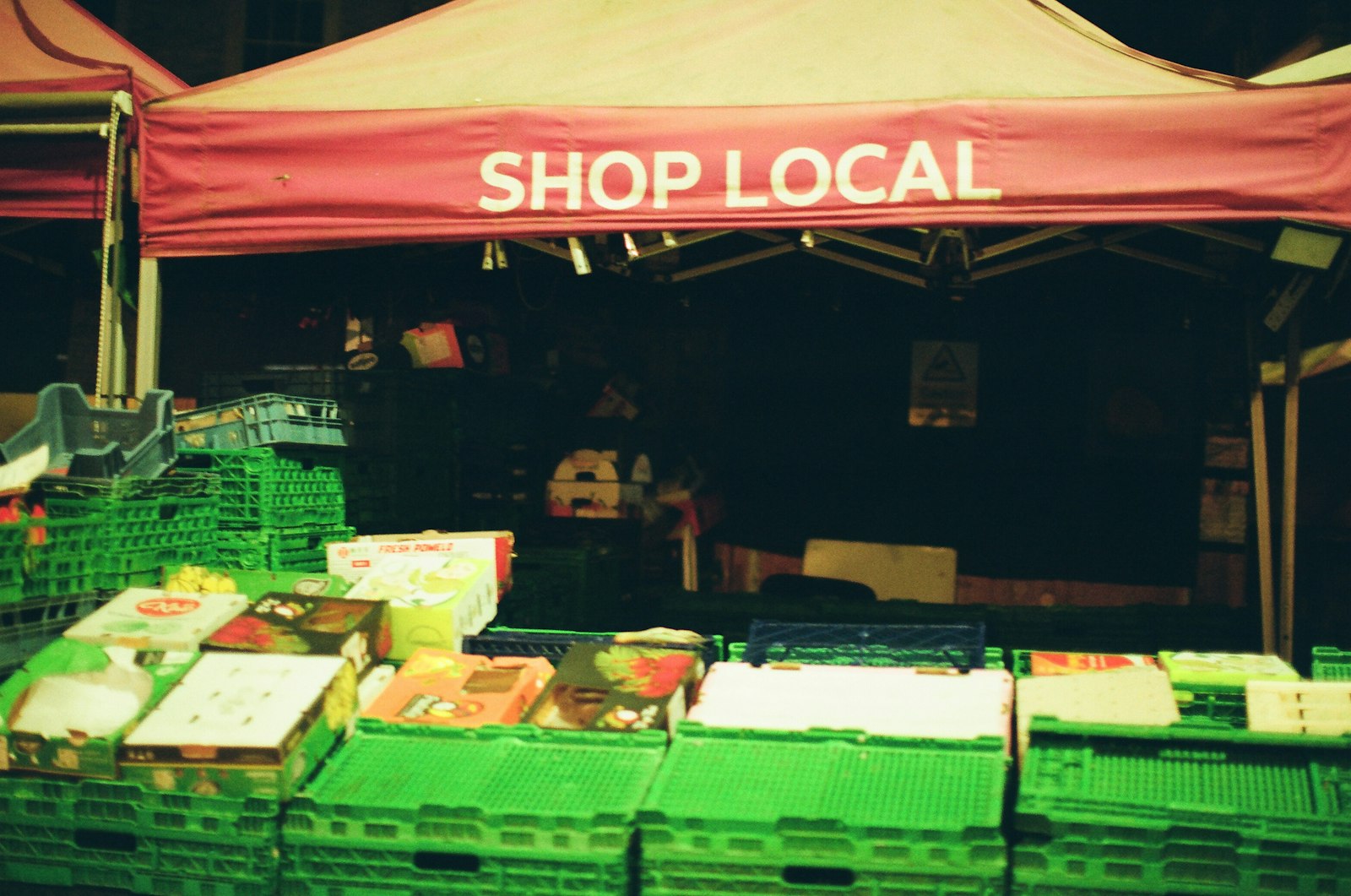
A noticeable number of small UK businesses have started foregrounding 'independent', 'family-run' and 'made in Britain' in their marketing over the last couple of years, and it's not purely sentiment — there's a real, if modest, shift in some shoppers actively seeking out UK-based and independent sellers over larger international alternatives.
Why this is happening now
Some of it is genuine values-driven shopping — an interest in shorter supply chains, visible provenance, and money staying more locally. Some of it is more practical: shipping times and costs from overseas sellers have become less predictable, which quietly nudges some buyers toward options that feel more reliable, and 'local' often reads as more reliable even when it isn't strictly faster.
A 'buy British' badge only works as marketing if the product genuinely earns it. Slapping a flag on packaging without a real story behind it tends to be spotted and resented, not rewarded.
Who this genuinely helps
Businesses with an authentic, checkable story — where something is actually made, who actually makes it, what's actually different about buying local — benefit most, because that story is exactly what the trend rewards. Businesses hoping to borrow the sentiment without the substance tend to get less lift than they expect, because shoppers motivated by this trend specifically are also more likely to check.
The practical takeaway
If your business has a genuine local or British-made story, tell it properly — specifics, not just a flag icon. If it doesn't, chasing this particular trend probably isn't worth the effort; there are more honest angles that will resonate better with your actual customers.