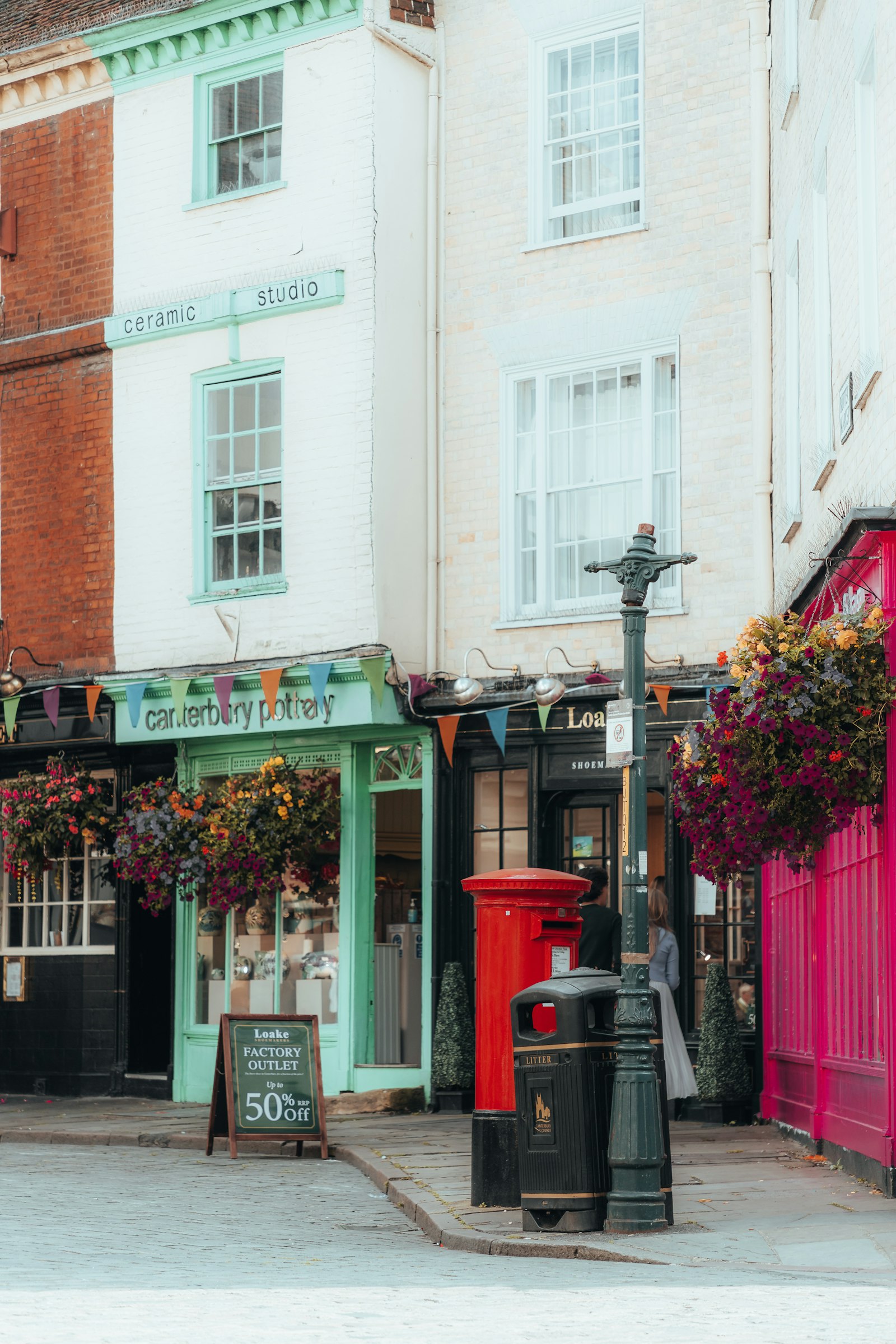
'The high street is dying' is one of those lines that gets repeated so often it stops being examined. Walk down most UK town centres and you'll see empty units — that part's true. What's less often said is what's actually replacing them.
In a lot of towns, the units churning over fastest aren't failing entirely — they're failing as one kind of business and reopening as another. Big chain retail has pulled back in plenty of places. Independent food, personal services, and experience-led businesses — barbers, coffee, small studios, repair shops — have been filling a good chunk of that space.
What's actually changed
The honest read is less 'the high street is dying' and more 'the high street is being re-priced'. Rents that made sense for national retail chains a decade ago often don't make sense for the businesses now available to take those units, and landlords slow to accept that end up with longer voids than they need to.
This isn't a uniform national story either. Commuter towns with a genuine daytime population behave very differently from town centres that empty out once the offices shut. Areas with a strong independent scene already established tend to attract more of the same, because footfall follows footfall — a healthy cluster of good small businesses does more to bring people into a town centre than any single anchor tenant used to.
Why online shopping isn't the whole explanation
It's tempting to file the whole high street conversation under 'ecommerce killed retail', and there's truth in it, but it's an incomplete answer. Plenty of the businesses now taking high street units — barbers, cafés, personal trainers, repair shops — were never going to be replaced by online shopping in the first place, because the thing being sold is the physical experience itself. What's actually shifted is the mix: fewer units selling things you could just as easily buy on a phone, more units selling things you fundamentally can't.
What it means if you're thinking about premises
For a small business weighing up physical space, the current market has genuinely thrown up better terms than a few years ago in a lot of areas — shorter leases, more negotiable rents, landlords more willing to deal. It's worth actually asking, rather than assuming a high street unit is out of reach.
The practical move is to go and have the conversation rather than judging a unit purely by the rent painted on the sign or listed by the agent. Landlords sitting on a long void are often far more flexible in a direct conversation than the advertised terms suggest — a shorter initial lease, a rent-free period to fit out, or a break clause that lets a new business test the location without committing to years upfront.
A quiet high street isn't proof there's no opportunity there. Sometimes it's proof the rent has finally become realistic.
What to actually check before signing anything
Footfall at different times of day and different days of the week, not just a single Saturday afternoon visit. What's actually planned for the neighbouring empty units, if anything — a landlord who has a genuine plan to fill a row of shops is a different proposition to one who's simply waiting it out. And the total cost of occupation, not just the headline rent — business rates, service charges and dilapidations obligations can change the real cost of a unit considerably.
None of this means every town centre is fine, or that the structural pressure on physical retail has gone away. It means the story is more local and more specific than the headline suggests — and worth checking for yourself rather than assuming.